Dopamine Addiction: Reclaim Your Attention from Digital Overload
Trapped by Your Phone? Understand Dopamine Addiction
We've all been there: scrolling endlessly, feeling a strange pull towards our screens even when we know we should stop. Perhaps you check social media for the tenth time in an hour, or get lost in a rabbit hole of news articles, even when it leaves you feeling overwhelmed. This isn't just a lack of willpower; it’s a deeply ingrained pattern linked to how our brains respond to digital stimulation, often referred to as a form of dopamine addiction. It feels like a constant battle for your attention.
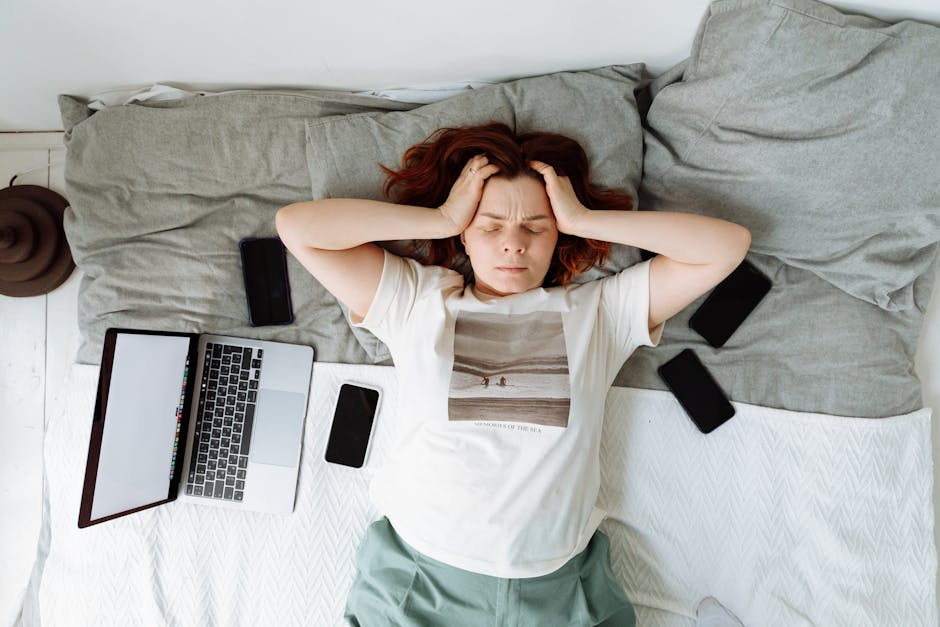
What Is Dopamine Addiction and Why Does It Feel So Real?
Dopamine is often called our brain's "reward chemical," but it's more accurately described as a "seeking" chemical. It drives us to explore, learn, and pursue rewards. When you get a notification, a like on a post, or discover a juicy piece of gossip, your brain releases a little hit of dopamine. This isn't inherently bad, but the digital world has learned to exploit this system brilliantly. Your brain gets wired to seek more of these quick hits, creating a cycle that feels incredibly hard to break.
Common dopamine addiction symptoms include that constant urge to check your phone, even when you're doing something important. You might find it hard to focus on longer tasks or feel a persistent sense of restlessness without your device in hand. This isn't just a "bad habit"; it's a genuine neurological response. Think about doomscrolling: you know it makes you anxious, yet you keep refreshing the news feed, chasing that next piece of information, even if it's negative. Social media likes, instant notifications, and the endless stream of content all tap into this reward system, making you feel compelled to stay connected. This cycle can leave you feeling drained, wondering if your constant phone checking is a real addiction.

Breaking Free: Simple Steps to Reclaim Your Attention
Taking back control from digital overstimulation doesn't have to mean a complete "digital detox." Start with small, achievable limits. Try designating "no-phone zones" in your home, like the bedroom or dining table. Alternatively, set specific times when your phone stays out of reach. For example, commit to an hour phone-free after waking up, or put it away 90 minutes before bed. These little changes can make a big difference.
It's crucial to identify your triggers for doomscrolling or other compulsive digital behaviors. Do you reach for your phone when you're bored, stressed, or lonely? Once you know your triggers, you can start replacing those digital urges with healthier alternatives. Instead of scrolling, pick up a book, take a short walk, or call a friend. Finding joy and focus offline is about rediscovering activities that provide natural, sustained dopamine releases – like learning a new skill, exercising, or spending time in nature – rather than those quick, fleeting digital hits. This helps in overcoming dopamine addiction without feeling deprived.

It's Not Just You: Understanding Modern Internet Behavior
If you're feeling caught in a digital loop, please know you're not alone. This experience is incredibly common in our always-on world. It's not a personal failing on your part. Modern internet behavior and app design are specifically engineered to keep us engaged, tapping directly into our innate reward systems. The algorithms are designed to show you just enough to keep you scrolling, to give you that next tiny hit.
This understanding can empower you. You can shift your perspective: viewing digital tools as servants, not masters. It's about making intentional choices about your digital life, rather than passively reacting to every ping and notification. Can too much social media really change your brain? Yes, it absolutely can influence your attention span and reward pathways. But by understanding this, you gain the power to choose how you interact with technology. This awareness is the first step towards breaking free from the grip of dopamine addiction and reclaiming your peace.

Taking back control from dopamine addiction is a journey of small, conscious choices that lead to a more peaceful and present life.
What are the first signs that I might be developing a dopamine addiction?
Look for constant phone checking even when unnecessary, difficulty disengaging from screens, and feeling anxious or restless when not online. You might also notice a decreased ability to enjoy 'slow' or non-stimulating activities, indicating your brain is craving constant digital stimulation.
How can I start reducing my screen time without feeling deprived?
Begin with small, manageable steps like designating specific 'no-phone' times or areas in your home (e.g., no phones at dinner). Try replacing a scrolling session with a short walk or a conversation. Focus on adding enjoyable offline activities rather than just removing digital ones.
Is 'dopamine addiction' a real medical diagnosis, or just a way to describe overuse?
While "dopamine addiction" isn't a formal medical diagnosis like substance abuse, it accurately describes the behavioral patterns and neurological responses that mimic addiction. Our brains seek digital rewards in ways that can lead to compulsive use and negative impacts on well-being, similar to how true addictions function.


Nhận xét
Đăng nhận xét