How Alcohol Affects Dopamine: Unpacking the Digital Connection
How Alcohol Affects Dopamine: Unpacking the Digital Connection
After a relentless day scrolling through feeds and battling notifications, that first sip of alcohol can feel like a much-needed reward. It's a moment of release, a perceived calm after the storm of digital demands. But what's really happening in your brain when alcohol affects dopamine? This is a fascinating and sometimes challenging question to explore, especially as our smart digital lifestyles often intertwine with how we seek pleasure and escape.
The Dance Between Alcohol, Dopamine, and Your Brain's Reward System
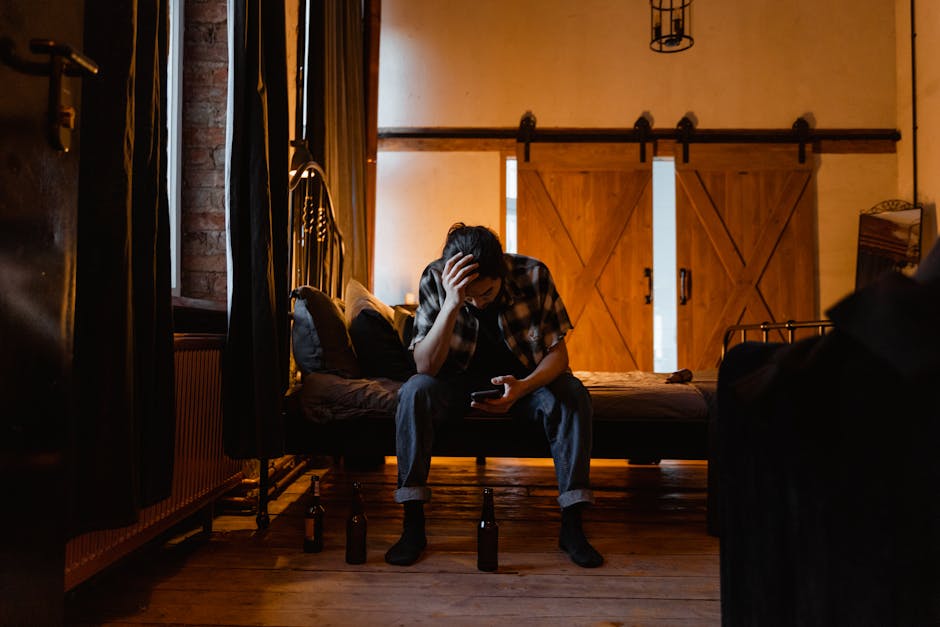
Dopamine is often called the brain's "feel-good" messenger, but it more accurately drives motivation, anticipation, and the pursuit of pleasure. When you achieve a goal, eat something delicious, or learn something new, dopamine is released, encouraging you to repeat that behavior. Alcohol, however, plays a different game. It doesn't just nudge dopamine; it floods the brain with it, creating an initial rush of euphoria and relaxation. This surge is why a drink can feel so instantly gratifying, making you feel good even after a tough day.
The problem starts when the brain, a master of adaptation, tries to balance this artificial dopamine surge. It begins to expect these high levels. To cope, it reduces its natural dopamine production or the number of dopamine receptors. This means you need more alcohol to achieve the same initial effect, a classic sign of developing tolerance. This chemical process is a core component of what people often call a 'dopamine addiction.' Your brain gets hooked on that intense, artificial boost, making it incredibly difficult to find genuine pleasure in everyday life without the 'boost' from alcohol. Many wonder, "Why do I feel so good when I drink, and so bad when I stop?" This neurological dance is the answer.
Is Your Digital Life Fueling the Alcohol Dopamine Loop?
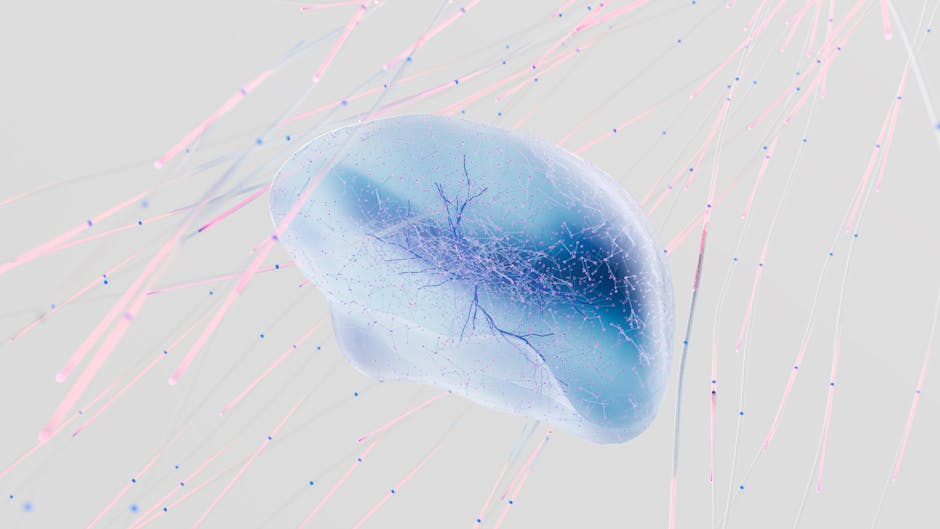
It's not just alcohol that can hijack our dopamine systems; our modern internet behavior plays a significant role too. Think about the quick hits of pleasure from social media: a notification, a new like, a compelling video. These digital pings release small bursts of dopamine, keeping us scrolling and engaged. The constant stimulation, the endless cycle of seeking external validation or novel content, can actually deplete our natural dopamine levels. When our brains constantly chase these micro-rewards, they can become less sensitive to the more subtle joys of life. This can make alcohol seem even more appealing as a quick fix, a powerful "reset" button for an overwhelmed or under-stimulated mind.
Are you using alcohol to cope with the overwhelm or under-stimulation from your digital environment? Perhaps you find yourself reaching for a drink after a long evening of scrolling, feeling vaguely unsatisfied despite hours online. This isn't uncommon. Recognizing this pattern is crucial. To break this cycle, consider mindful digital habits. Try setting screen time limits, designating "no-phone zones," or engaging in activities that offer natural, sustained dopamine releases, like exercise, hobbies, or genuine social connection. Understanding how alcohol affects dopamine becomes even more critical when we consider its interplay with our digital habits.

Breaking Free: Signs of Dopamine Imbalance and Finding Balance
Identifying the signs of dopamine imbalance, whether from alcohol or digital habits, is a powerful first step. Do you experience increased cravings? Have you noticed you need more of something (alcohol, screen time) to feel the same level of satisfaction? Do you feel irritable or low when you try to cut back? These are all indicators that your brain's reward system might be out of balance. This isn't about judgment; it's about gaining digital self-awareness and making intentional decisions for your well-being.
To overcome dopamine imbalance, you don't need a complicated plan. Start with simple, actionable strategies. Introduce "dopamine fasts" by taking breaks from stimulating activities. Seek out natural ways to stimulate your reward system: regular exercise, creative pursuits, spending time in nature, or connecting deeply with loved ones. Understanding how alcohol affects dopamine empowers you. It provides the knowledge to regain control, fostering a healthier relationship with both substances and screens, and helping your brain find its natural rhythm again.

Understanding how alcohol affects dopamine is crucial for navigating our digital world mindfully and making choices that truly serve your well-being.
FAQ
Can social media really impact how alcohol affects dopamine?
Yes, the constant stimulation from social media can create a similar dopamine loop in your brain. This can potentially make alcohol's effects more pronounced or make you seek out alcohol more often as another quick reward.
What are the first signs that I might be developing a 'dopamine addiction' related to alcohol or digital use?
Early signs include needing more of the substance or activity to feel good, experiencing persistent cravings, feeling irritable or anxious when you can't access it, or finding it hard to enjoy sober activities.
How can I start to overcome dopamine addiction if I feel reliant on alcohol or my phone?
Start by identifying your triggers and setting clear boundaries for your use. Actively seek out alternative, healthier sources of pleasure and connection, like exercise, hobbies, or spending time with friends.


Nhận xét
Đăng nhận xét