Consumer Behavior Psychology: Stop Impulsive Online Buying
Why I Used to Buy Things I Didn't Need (And How Understanding Consumer Behavior Psychology Changed Everything)
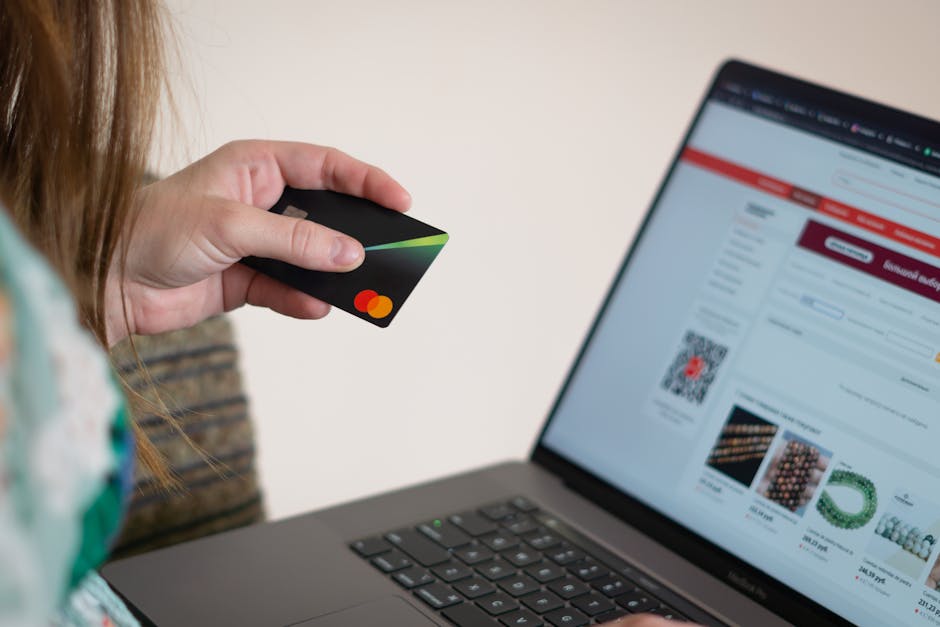
We've all been there: scrolling online, feeling a sudden urge to buy something we didn't even know existed five minutes ago. This impulse to click "add to cart" often overrides our rational brain's whispers of "Do you really need that?" For a long time, I felt manipulated by ads and marketing, wondering why I made impulsive purchases despite knowing better. I wanted to resist the urge to buy things I didn't truly need, especially with constant online bombardment. This common experience in our smart digital lifestyle often leaves us feeling guilty after purchases that don't align with our goals. Understanding the subtle art of consumer behavior psychology can help us reclaim control.

The Hidden Strings: How Emotions Drive Digital Spending
Our feelings, from fleeting joy to the nagging fear of missing out (FOMO), are expertly tapped into by online platforms, often without us realizing. Imagine seeing a friend's new gadget on social media; suddenly, your own perfectly functional phone feels inadequate. This isn't accidental. Digital spaces are meticulously designed to capture and monetize our focus, a concept known as 'attention economics.' Every notification, personalized ad, and "limited stock" message is a carefully placed hook.
This constant online interaction creates an instant gratification loop. We see something, we want it, we buy it, and for a brief moment, we feel good. However, that feeling often fades quickly, leaving us to wonder if our spending habits reflect deeper psychological needs or just cleverly manufactured desires. This cycle is a prime example of consumer psychology at play, influencing our decisions in modern internet behavior. Many of us struggle to understand why we make these impulsive purchases, wishing we could differentiate between genuine needs and digital desires.

Spotting the Traps: Practical Steps to Sharpen Your Digital Awareness
Developing strategies for managing digital 'money pressure' starts with recognizing psychological triggers. One simple technique is the '24-hour rule': if you see something you want, wait a full day before buying it. Often, that initial urge will have passed, revealing whether it was a true need or a momentary desire. Online marketing frequently employs scarcity (e.g., "only 3 left!") and social proof ("200 people bought this today!") to create urgency and make us feel we'll miss out. Personalization, where ads seem to "read your mind," also plays a significant role in influencing our decisions.
By understanding these tactics, you can develop simple techniques to pause before buying. Ask yourself: "Why do I want this right now?" or "What true need will this fulfill?" This shift from reactive buying to intentional decisions is a core aspect of applying consumer behavior psychology. It's about developing digital awareness, recognizing when your emotions are being targeted, and choosing to respond differently. This isn't about deprivation; it's about gaining more control over your spending habits and financial well-being.
Reclaiming Your Power: Building a Mindful Digital Self
Recognizing these patterns is the first, crucial step towards digital self-awareness and healthier spending habits. It's an important belief shift, understanding that your choices are your own. You can absolutely shift from reactive buying to proactive, thoughtful consumption. This deeper understanding of consumer behavior psychology empowers you to navigate the digital world with confidence and peace of mind. You’re not just a passive target for marketing; you're an active participant capable of making informed decisions.
Embrace the idea that you can train yourself to be a smarter shopper. It’s about more than just saving money; it’s about aligning your purchases with your personal values and goals. When you understand the 'why' behind your own purchasing decisions, you feel less manipulated and more in control. This perspective fosters a mindful digital self, allowing you to enjoy the convenience of online platforms without feeling overwhelmed by the sheer volume of choices and marketing messages.

Understanding consumer psychology isn't about deprivation; it's about empowering yourself to make choices that truly serve your well-being in the digital age.
How does social media influence my buying habits?
Social media uses social proof, like peer endorsements and influencer marketing, to create desire and a sense of missing out (FOMO). This subtly encourages purchases by making items seem popular, aspirational, or necessary, often without conscious awareness of the influence.
What's the difference between a 'want' and a 'need' when I'm online?
A 'need' fulfills a basic requirement, like food or shelter. A 'want' is often driven by emotional desires, trends, or external influences amplified by digital platforms. It's the difference between buying groceries for sustenance and buying a trendy gadget because everyone else has it.
Can I really change my ingrained shopping behaviors?
Absolutely. By becoming aware of the psychological triggers used in online marketing, you can consciously choose to respond differently. This awareness allows you to pause, reflect, and build new, healthier habits that align with your financial goals and personal values.


Nhận xét
Đăng nhận xét