Consumer Psychology: 5 Ways It Shapes Your Digital Life
5 Surprising Ways Consumer Psychology Shapes Your Digital Life
We often believe our online decisions are entirely our own, born from careful thought and personal preference. The truth is, consumer psychology constantly operates behind the screens, subtly guiding our clicks and purchases. From the apps we scroll through to the items that land in our virtual carts, an intricate dance of emotions, biases, and clever design influences nearly every digital interaction. Understanding this hidden force can be incredibly empowering, helping you navigate the digital landscape with greater intention and less regret.

What is Consumer Psychology?
At its heart, consumer psychology is about understanding why we think, feel, reason, and ultimately choose among different options, especially regarding products, services, and digital content. It's a deep dive into the human mind, exploring the mental shortcuts and emotional triggers that influence our attention and behavior online, from social media feeds to shopping apps. This field helps us see how our digital environment is meticulously designed to tap into fundamental human needs and desires, often without us realizing it. It's not just about what we buy, but why we're drawn to certain brands, why we spend so much time scrolling, and why some things feel more appealing than others. This broad understanding, sometimes called consumerism psychology or consumer behavior psychology, gives us a clearer picture of our own digital habits.

How Emotions Drive Your Digital Wallet
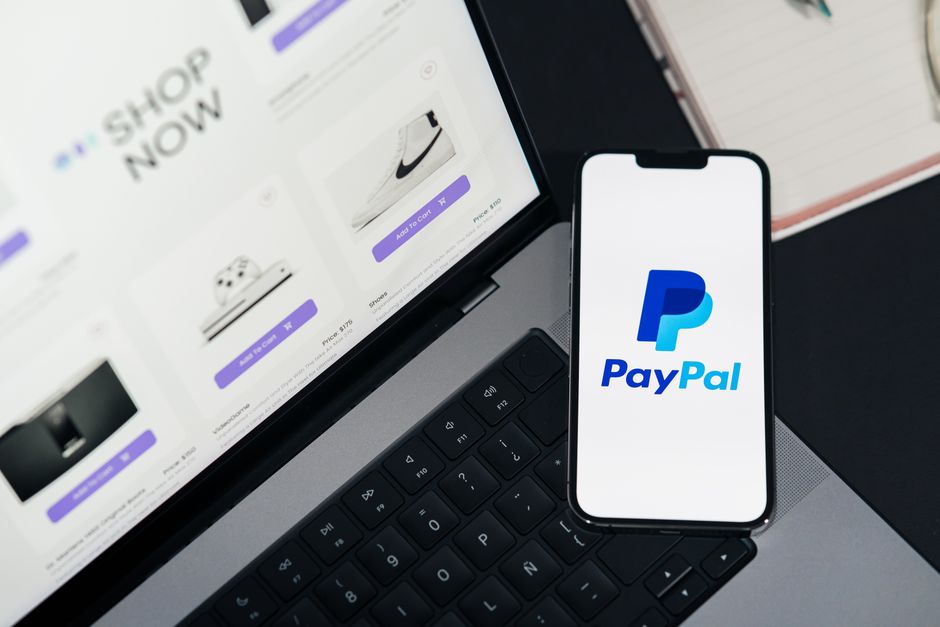
Many online purchases aren't purely logical; they're often fueled by powerful emotions. Think about that sudden urge to buy during a "limited-time offer" or the rush you get when friends rave about a new gadget. These moments exemplify how understanding consumer psychology helps us recognize the power of feelings like desire, fear of missing out (FOMO), or even simple boredom. Marketers know that social proof – seeing what others buy – can be incredibly persuasive, making us feel like we'll be left out if we don't join in.
This emotional pull can make it tough to make rational purchasing decisions, often leading to impulse buys we later regret. Learning to pause and question the emotional pull before clicking 'buy now' can lead to more intentional decisions. This helps us avoid the frustrating feeling of being upsold on something we don't truly need. This connection between consumer behavior and psychology is a powerful one.
Reclaiming Your Attention from Digital Overwhelm
Digital platforms are masters of consumer behavior and psychology, designed to keep your attention for as long as possible. They use a blend of bright colors, constant notifications, and personalized feeds to create an almost irresistible pull. Have you ever found yourself endlessly scrolling through social media, or watching videos autoplaying one after another, wondering where the time went? That's consumer psychology in action, utilizing design principles like infinite scroll to keep you engaged.
Becoming aware of these tactics is the first step to taking back control of your screen time and making more intentional decisions about your digital life. By understanding the insights applied by apps, often gleaned from extensive research, you can develop strategies to engage with tech more mindfully. This helps you avoid feeling constantly overwhelmed by choices and messages. Recognizing these consumer psychology examples in your daily life can empower you to differentiate genuine value from perceived value.

Empowering yourself with knowledge of consumer psychology allows you to navigate the digital world with greater awareness and make choices that truly serve you. It's about shifting from being a passive recipient of digital influence to an active participant who understands the game.
FAQ
Why do I feel pressured to buy things online even when I don't need them?
Online platforms use various psychological triggers like urgency (limited-time offers) and social proof (what others are buying) to create a sense of pressure and desire. This taps into our fear of missing out or our need to belong, making products seem more appealing.
How can I stop impulsive online shopping?
Recognizing the emotional drivers behind your impulses is key. Try creating a 'cooling-off' period before purchasing – add items to your cart but wait 24 hours before checking out. This pause can help you distinguish between a fleeting desire and a genuine need.
Are social media algorithms using consumer psychology against me?
Algorithms are designed to keep you engaged by understanding your preferences and showing you content you're likely to interact with, which is a core aspect of consumer psychology. While not inherently "against" you, awareness helps you manage its influence and make conscious choices about your screen time.


Nhận xét
Đăng nhận xét