Homebuyer Remorse: Why It's Normal & How to Overcome It
Why Your 'Homebuyer Remorse' Isn't Just About the House (It's About Your Brain)
That sinking feeling after buying a home, the 'what have I done?' thought, often feels intensely personal. You might stare at your new walls, wondering if you truly made the right call. This intense feeling of regret, often called homebuyer remorse, is a common psychological reaction. It's amplified by our digital world more than ever before. You are not alone in feeling this way.
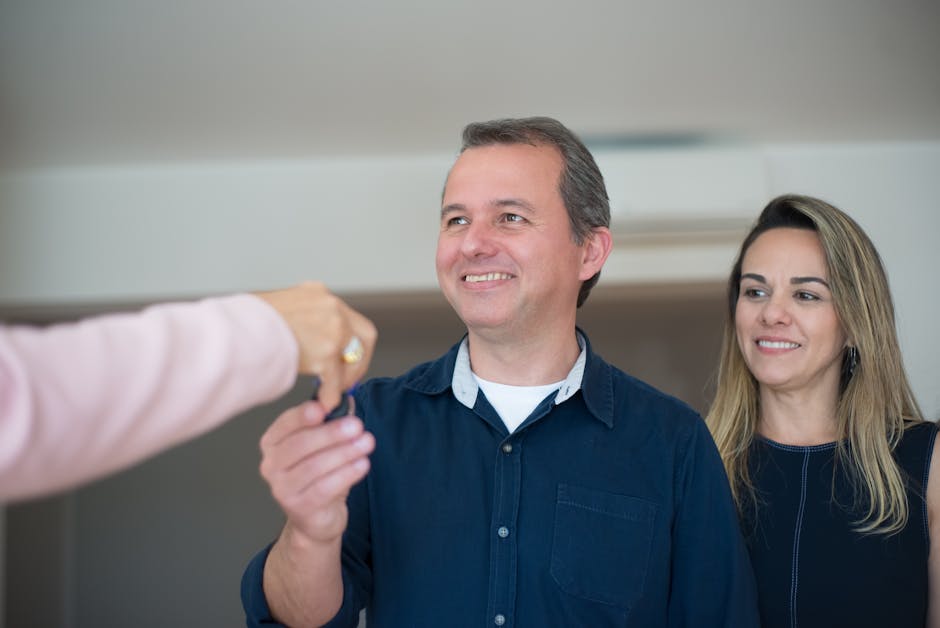
The Digital Echo Chamber of Buyer Remorse
Scrolling through social media after a big purchase can feel like walking into a hall of mirrors. You see endless posts of 'dream homes' from influencers, perfectly staged and seemingly flawless. Then, algorithms kick in, showing you even more content related to home trends, renovations you 'should' be doing, or articles about market downturns. This constant stream creates unrealistic expectations and fuels post-purchase doubt, making homebuyer remorse feel more pervasive and harder to shake. You might compare your new home negatively to previous residences or to friends' homes, feeling a sharp pang of inadequacy. This digital echo chamber makes it tough to simply settle into your own space. The psychological pressure of seeing others' 'perfect' home journeys online often leads us to question our own choices, even if our home is perfectly suitable.
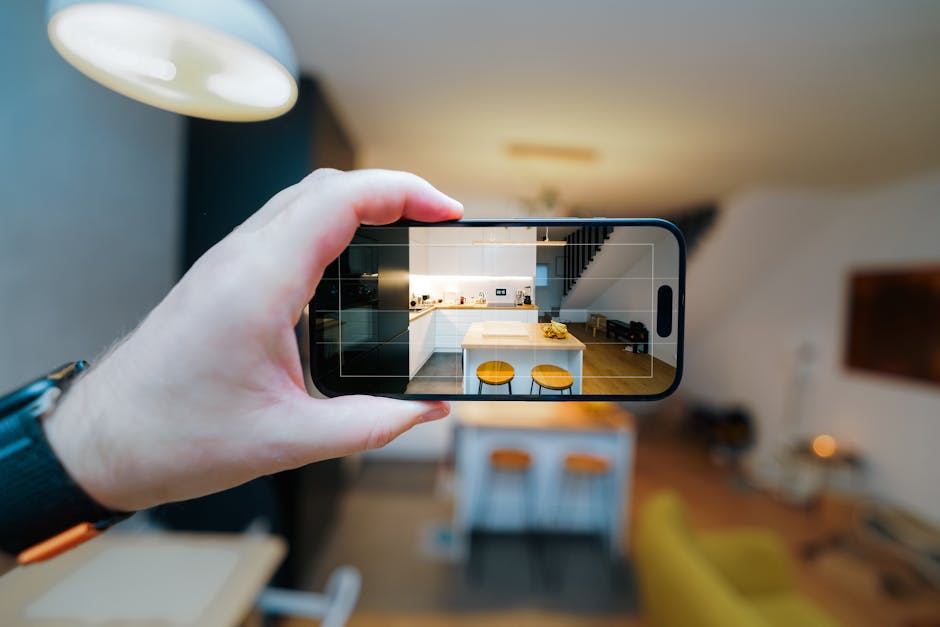
Decoding the 'What Ifs': Your Brain on Big Decisions
Buyer remorse isn't a sign of a bad decision, but often a natural cognitive response to major financial and emotional commitments. Buying a house is one of the biggest choices you'll ever make. After an intense period of searching, negotiating, and signing papers, your brain shifts from "hunt" mode to "evaluate" mode. This is where 'opportunity cost' creeps in – the nagging feeling that you might have missed out on something better. With the sheer volume of choices presented online, from different neighborhoods to countless floor plans, this feeling is significantly heightened. You might worry about being 'house poor' or regret the location choice due to a long commute. To cope, try a simple mental exercise: list five tangible benefits of your current home. Focus on the sunlight, the quiet street, or the extra room you now have. This shifts your focus from hypothetical 'better' choices to appreciating the real-world potential of what you have. This can help alleviate intense homebuyer remorse.

Reclaiming Your Narrative: Beyond Initial Home Purchase Regret
Overcoming homebuyer remorse means taking control of your digital environment. Start by intentionally curating your social media feeds. Unfollow accounts that make you compare your home or lifestyle negatively. Practice 'digital self-awareness': recognize when online content fuels your anxiety or 'what if' scenarios, and choose to step away. This doesn't mean ignoring reality, but rather making conscious choices about what information you consume. Instead of dwelling on the fleeting excitement or anxiety of the initial purchase, focus on the present and future value of your home. Think about the memories you'll create, the garden you'll grow, or the community you'll become a part of. Small decorating projects or getting to know your neighbors can also help build a healthier emotional connection to your new space. Remember, homeownership is a journey, not just a destination.
Ultimately, overcoming homebuyer remorse is less about the house itself and more about mastering your own mind and digital habits.
FAQ
Is it normal to feel homebuyer remorse, even if I loved the house initially?
Yes, it's incredibly normal. Homebuyer remorse is a common psychological response to major life decisions and significant financial commitments. It often appears after the initial excitement wears off and the reality of the purchase sets in.
How does social media make homebuyer remorse worse?
Social media often creates unrealistic comparisons by constantly showcasing 'perfect' homes and lifestyles. Algorithms can also amplify anxieties by feeding you more content related to your doubts, making the feeling of regret feel more intense and widespread.
What's the first step to dealing with this feeling?
The first step is recognizing that the feeling is a psychological process, not necessarily a definitive sign you made a 'wrong' decision. Acknowledge your emotions, then consciously try to shift your focus from hypothetical 'what ifs' to appreciating the present reality of your home.


Nhận xét
Đăng nhận xét