Impulse Purchases: Understanding Your Brain's Urge to Buy
Impulse Purchases: It's Your Brain, Not Just 'Bad Decisions'
That sudden urge to click 'buy now' on something you just saw online, even if it wasn't on your list, isn't a random glitch – it's your brain at work. We've all been there: scrolling through a feed, seeing an amazing deal on, say, an Xbox controller, and feeling that immediate pull. It feels like a spontaneous choice, but often, an impulse purchase has deeper roots in emotions and digital design. It's not about being 'bad' with money; it's about understanding a very human reaction.
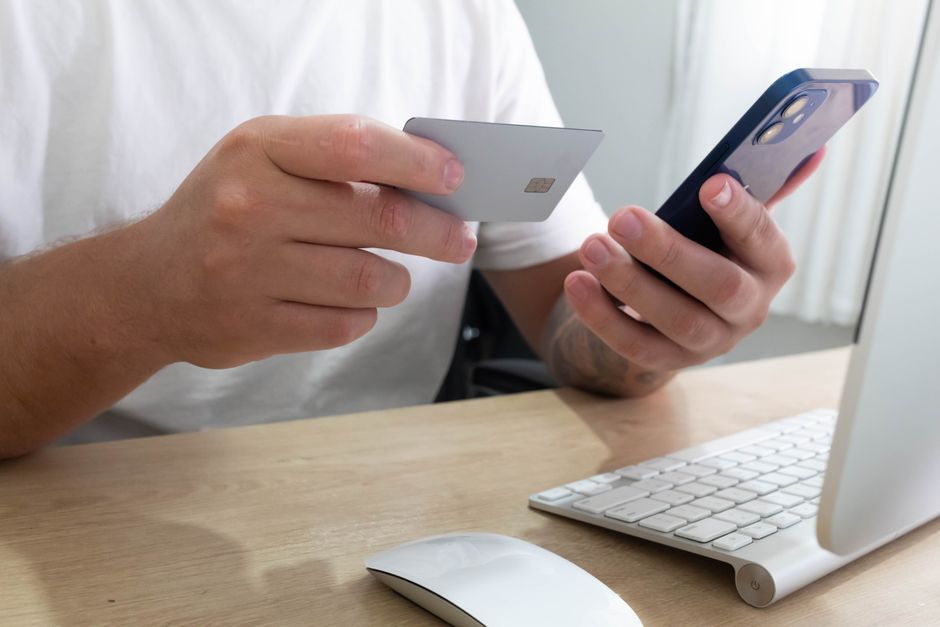
The Emotional Tripwire: Why We Make Impulse Purchases
Think about your last impulse purchase. What were you feeling? Often, it's a blend of excitement, a desire for novelty, or perhaps even boredom or stress. These immediate emotional triggers bypass rational thought. You see something shiny, like a special edition Ghost Cipher Xbox Wireless Controller for $42.75, and your brain lights up. That quick hit of dopamine, your brain's reward chemical, makes you feel good, even if just for a moment. This makes impulse buying incredibly appealing.
Modern digital environments amplify these triggers. With just a few taps, you can go from seeing an item to owning it. The friction of traditional shopping – driving to a store, waiting in line – is gone. This ease makes impulse spending faster and more frequent. It's easy to regret a gadget or game you already own a version of, only to realize later your bank balance dropped unexpectedly. These impulsive items, while momentarily satisfying, often lead to buyer's remorse, leaving you wondering why you keep making these purchases despite knowing better.

Spotting the Digital Traps That Encourage Impulse Buying
Retailers are incredibly clever at encouraging impulse purchases. They use common online tactics like limited-time offers, personalized ads based on your browsing history, and social proof ("20 people just bought this!"). One-click buying, where your card details are saved, removes any last barrier to completing a transaction. That "free shipping" on a $40 Xbox Wireless Controller suddenly feels like an undeniable deal, even if you weren't looking for one.
To stop impulse buying, you need to create some friction. Try adding items to your cart and waiting 24 hours before checking out. Unsubscribe from tempting sales emails that constantly pop up. If you're constantly seeing deals for impulse products, it’s a sign to step back. Develop digital self-awareness: recognize when you're being targeted and consciously disengage from the immediate 'buy' pressure. It’s about taking control, not just resisting.
Shifting Your Mindset: From Impulse Shopper to Intentional Buyer
Being an impulse shopper isn't a moral failing. It's a common human behavior that, thankfully, can be understood and managed. Many of us feel manipulated by marketing tactics or wonder why we keep making unplanned buys. The key is to introduce conscious consumption into your digital lifestyle. This means making deliberate choices that align with your values and long-term goals, rather than seeking immediate gratification.
Reflect on the true cost of an impulse purchase beyond the price tag. That $2 eBook, "The Road to Character," might seem small, but what about the Xbox controller that now sits unused? Consider its impact on your space, your time, and your financial peace. These impulse buying examples highlight how small, frequent purchases can accumulate clutter and erode your budget. It's about recognizing the psychological drivers behind your spending and shifting from reactive impulse shoppers to proactive, intentional buyers.

Understanding the 'why' behind your impulse buying is the first step to reclaiming control and making more intentional decisions about your money and digital life.
FAQ
What's the main difference between a planned purchase and an impulse purchase?
An impulse purchase is an unplanned decision made on the spot, often driven by immediate emotion or a sudden desire. In contrast, a planned purchase is a thought-out decision made after research and consideration, aligning with a specific need or goal.
Can I completely stop impulse buying?
While it's difficult to eliminate impulse buying entirely, you can significantly reduce it. By understanding your emotional triggers and the marketing tactics designed to encourage quick buys, you can practice conscious decision-making and build healthier spending habits over time.
How does social media influence impulse buying?
Social media creates a constant stream of desirable products, often presented through targeted ads, influencer endorsements, and peer pressure. This exposure normalizes frequent shopping and can trigger immediate desires, making impulse buying more frequent and tempting.


Nhận xét
Đăng nhận xét