Spending Money Anxiety: Overcome Guilt & Find Peace
Why Does Spending Money Anxiety Feel So Overwhelming Lately?
That quick tap to buy something online often comes with a surprising wave of dread – a familiar feeling for anyone grappling with spending money anxiety. You’re not alone if a knot forms in your stomach right before hitting "confirm purchase," or if you experience intense guilt immediately after spending, even on necessities. This isn't just about being frugal; it's a deeper, often irrational, feeling of financial anxiety that can make enjoying your hard-earned money feel impossible. It's a common struggle in our smart digital lifestyle, where every transaction feels amplified.
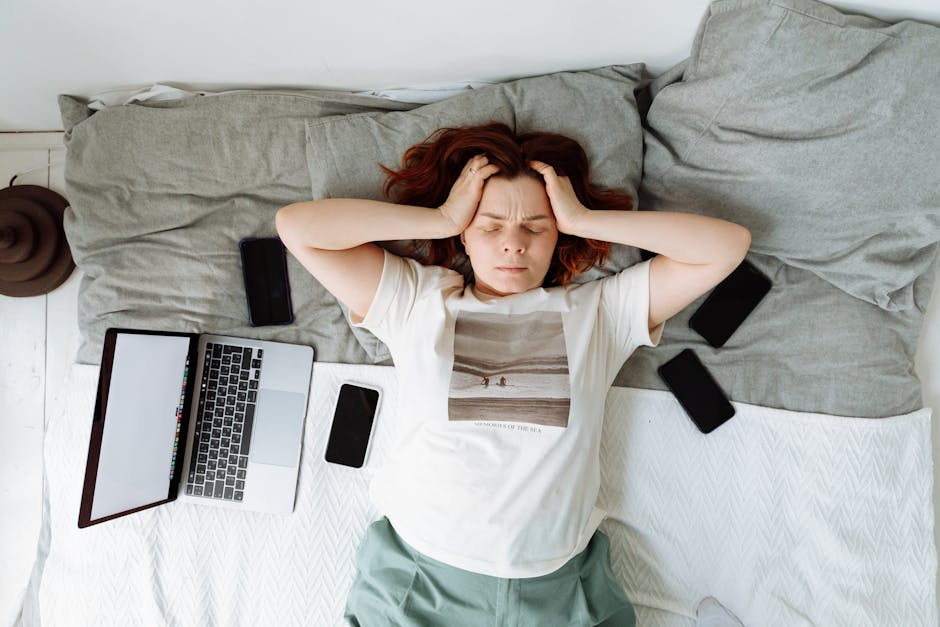
The Digital Echo Chamber of Financial Anxiety
The constant stream of curated lifestyles online amplifies feelings of inadequacy, feeding your worries about money. Think about it: a friend's new gadget, an influencer's exotic vacation, or a perfectly styled home renovation – all just a scroll away. This subtle pressure from ads and social media to "keep up" contributes significantly to financial stress. It creates an environment where differentiating between necessary expenses and discretionary spending becomes a blurry, anxiety-inducing task. You might find yourself constantly second-guessing purchases, wondering if you made the 'right' financial decision.
Moreover, the immediacy of online transactions can trigger money anxiety much more quickly than physical purchases. There’s less time to reflect, to feel the cash leave your hand, or to even physically handle the item before committing. This speed can make the financial anxiety feel overwhelming, leading to a cascade of "what if" scenarios about future financial hardship, even when your finances are stable. It's not just about the money; it's the emotional weight that comes with every digital click.
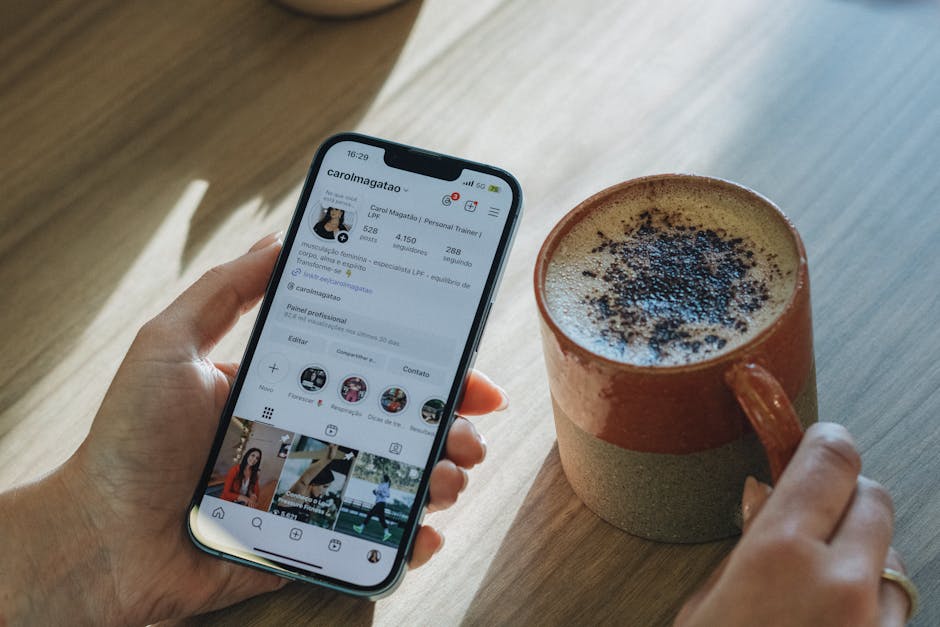
Shifting Your Mindset: From Guilt to Intentional Spending
To begin, pause before those impulsive digital buys. Instead of immediately clicking "add to cart," take a moment to assess the true value versus perceived need. Ask yourself: "Does this genuinely bring me joy or solve a real problem, or am I just reacting to external pressure?" This simple act can significantly reduce money anxiety. Next, consider setting up 'digital boundaries' to reduce exposure to triggers that fuel your anxiety and money worries. This might mean unfollowing certain accounts, muting notifications from shopping apps, or even scheduling "no-scroll" times.
Simple exercises can help reframe your relationship with money. Try focusing on what brings genuine joy and purpose. For instance, instead of feeling guilty about buying coffee, acknowledge the small pleasure it brings to your morning. This shifts the narrative from deprivation to intentional well-being. Even if you experience financial anxiety when well off, recognizing and celebrating these small, intentional expenditures can start to chip away at the overwhelming dread you might feel when you have to buy something. It’s about building a healthier connection, not just with your bank account, but with your emotional self.

Building Trust in Your Spending Decisions: A Path to Peace
Recognize that spending money anxiety isn't a sign of weakness; it's a common response to modern pressures and the constant digital noise around us. It's okay to feel this way. The importance of self-compassion cannot be overstated when facing financial anxiety. Acknowledge your feelings without judgment. Instead of chastising yourself for feeling anxious, try to understand where those feelings come from. This allows you to differentiate between healthy financial caution and debilitating anxiety.
Tracking your spending in a low-pressure way can build confidence and reduce the grip of money anxiety. Forget complicated budgets if they add to your stress. Simply noting where your money goes, perhaps in a simple digital note or spreadsheet, can foster a sense of control without feeling trapped. This kind of awareness can help you build confidence in your spending decisions and slowly retrain your brain to not associate spending with panic. Many people on platforms like Reddit discuss their financial anxiety and find solace in shared experiences. Understanding the root cause of your anxiety, rather than just the surface symptoms, is a powerful step towards developing a healthier, long-term relationship with money.

Embracing self-awareness and intentional choices can transform your relationship with money, leading to a calmer, more confident financial life.
Is spending money anxiety normal?
Yes, it's a very common experience, especially with the pressures of modern digital life. Many people feel a knot in their stomach or intense guilt after spending, even on necessities. You're certainly not alone in these feelings.
How can social media contribute to my money worries?
Constant exposure to idealized lifestyles and consumer culture can heighten feelings of inadequacy and pressure to spend. Seeing others' curated lives can make you feel like you need more, leading to increased stress and anxiety over your own finances.
What's the first step to feeling better about my spending?
Start by observing your feelings without judgment and identifying specific triggers for your anxiety. Simply noticing when and why you feel anxious about spending, without trying to fix it immediately, is a powerful first step towards understanding and managing your financial anxiety.


Nhận xét
Đăng nhận xét