Understand Your Shopping Dopamine & Shop Mindfully
3 Simple Ways to Understand Your Shopping Dopamine
That little rush you get from clicking 'buy' isn't just a coincidence; it's your brain on shopping dopamine. Understanding this can change how you interact with the digital world. Many of us have felt that brief surge of excitement, a temporary high that often fades, sometimes leaving regret or guilt. We scroll, browse, add to cart, and then—whoosh—that feeling hits. It's a powerful force shaping modern internet behavior, and recognizing its mechanics is the first step toward more intentional decisions.

What Exactly is Shopping Dopamine?
Dopamine isn't just a 'happy' chemical; it's more about anticipation and motivation, especially when it comes to shopping. Think of it as your brain's internal prediction system, urging you toward a potential reward. When you see something you like online, or even just think about buying it, your brain's reward system lights up. This isn't necessarily about the item itself, but the expectation of getting it. That's why window shopping, or even just filling an online cart, can sometimes feel good – your brain is already revving up for the possible acquisition.
The thrill of a potential purchase, imagining how an item will improve your life, or simply acquiring something new, can be incredibly motivating. This powerful brain chemical creates a distinct difference between a genuine need and the 'want' triggered by the thrill of a potential purchase. It's why we sometimes buy things we don't truly need, caught up in the emotional wave of what might be. Understanding this distinction is crucial to managing your shopping dopamine.
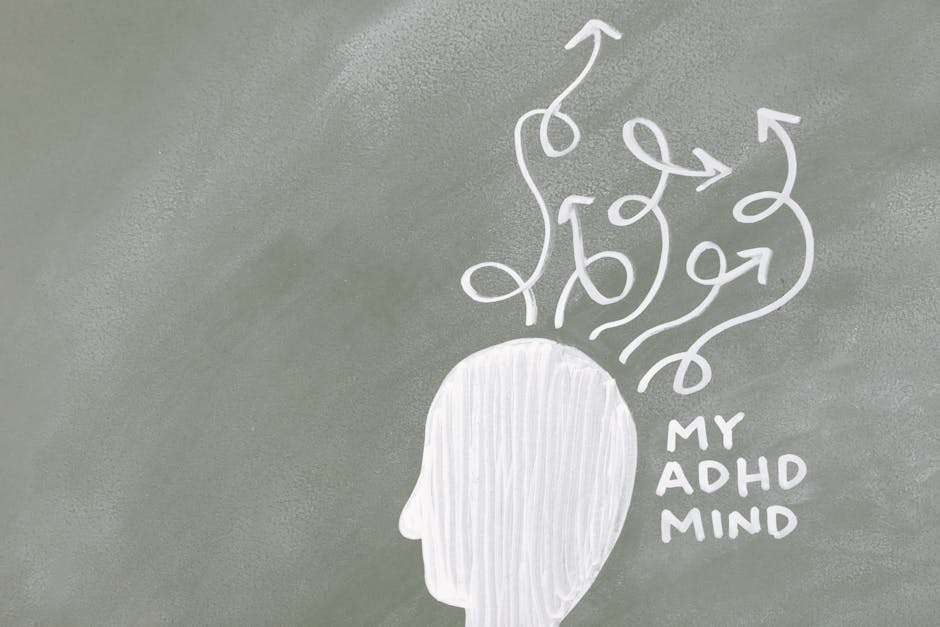
Navigating the Online World and Your Shopping Dopamine
The digital landscape is expertly crafted to constantly trigger your shopping dopamine. Endless scrolling, personalized recommendations, and targeted ads are all designed to keep you engaged and anticipating the next 'must-have' item. These digital triggers make it incredibly easy to fall into a cycle of impulse purchases, often straining your budget without providing lasting happiness. Many people struggle with the constant urge to browse and buy online, feeling overwhelmed by the sheer volume of options.
To regain control, try asking yourself simple questions before a purchase. "Do I truly need this, or am I just chasing that momentary feeling?" or "How will this item genuinely improve my life in the long term?" Creating 'friction' in your online shopping habits is a practical step to manage your shopping dopamine. This could mean leaving items in your cart for 24 hours before checking out, unsubscribing from marketing emails, or even deleting shopping apps from your phone. These small actions disrupt the immediate gratification loop, allowing you to distinguish impulse from intention.

Building a Healthier Relationship with Shopping Dopamine
Recognizing that feeling the pull of shopping dopamine is completely normal is the first step, but managing it is truly empowering. We all seek those feel-good sensations, and shopping can certainly provide them in the short term. However, the goal is to shift your focus from instant gratification to lasting satisfaction in your purchasing decisions. This means becoming more mindful about why you're shopping. Are you bored? Stressed? Sad? Often, shopping becomes a coping mechanism, a temporary fix for deeper emotional needs.
Instead of letting shopping dopamine dictate your actions, consider healthier alternatives to get that 'feel good' sensation. Engaging in hobbies, spending time in nature, connecting with loved ones, or learning a new skill can all provide genuine, sustained boosts of dopamine and well-being. By being more mindful about your shopping dopamine, you can cultivate greater peace, reduce financial strain, and develop better money habits. It's about making intentional decisions that align with your values, rather than being swept away by a fleeting desire.

Understanding your shopping dopamine is the first step towards a more intentional and fulfilling digital lifestyle. It's about recognizing the emotional triggers and making conscious choices that serve your long-term well-being.
FAQ
Why do I feel a rush when I buy something, even if I regret it later?
That initial rush is often driven by dopamine released during anticipation and the act of acquiring, rather than the long-term satisfaction. Your brain is wired to seek out rewards, and the process of shopping can be just as stimulating as the item itself.
Is it bad to feel shopping dopamine?
No, it's a natural brain response; the key is to understand and manage it so it doesn't lead to unwanted financial or emotional stress. It's about recognizing the impulse and deciding if it aligns with your genuine needs and values.
How can I reduce the urge to constantly seek shopping dopamine?
Try creating intentional delays before purchases, identifying your true needs, and finding alternative sources of positive emotional boosts. Engage in activities you enjoy that don't involve spending money, like exercise, reading, or connecting with friends.


Nhận xét
Đăng nhận xét