Understanding & Overcoming Your Money Anxiety in the Digital Age
Understanding Your Money Anxiety in a Digital World
Ever feel a pang of worry about your finances after scrolling through social media, even when things seem okay? That knot in your stomach, the sudden doubt about your savings, or the urge to buy something you don't need just to keep up—these are familiar feelings in our hyper-connected world. It's not just about having enough money; it's often a deeper, more pervasive sense of unease. This feeling, often called money anxiety, can be sneaky, popping up even when your bank account looks stable.

What Does Modern Money Anxiety Look Like?
Financial anxiety extends far beyond simply having debt. It's often a persistent feeling of dread or unease about money, even if your finances appear stable on paper. You might feel overwhelmed by constant thoughts about money, even when things are calm. This financial stress can manifest physically too; sleepless nights or stomach issues are common for those grappling with money worries. Many people find themselves avoiding checking bank balances or opening bills, a direct result of this anxiety.
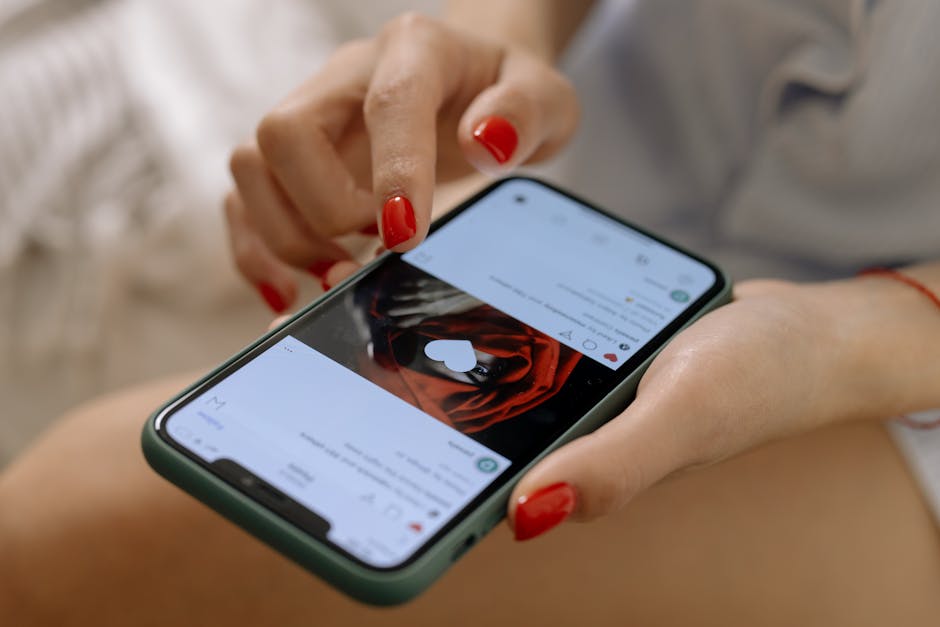
Our digital lives certainly amplify these worries. Constant exposure to others' curated lives—and their spending habits—creates an endless cycle of comparison and pressure. You might see friends on Instagram enjoying lavish vacations, or influencers unboxing expensive gadgets, making you question your own financial choices. The subtle ways money anxiety creeps in are numerous, from impulse buys influenced by targeted ads to the fear of missing out on experiences others share online. Recognizing the signs of anxiety over money—whether it's obsessive thoughts, physical symptoms, or avoidance of financial tasks—is the first step toward understanding it. The feeling of being stuck in a cycle of worry, unable to break free, is a common experience.

The Digital Echo Chamber of Financial Pressure
Social media, in particular, becomes a powerful amplifier for financial anxiety. It relentlessly showcases idealized lifestyles, often leading to a sense of inadequacy about your own financial situation. That perfectly styled brunch or the new car reveal on your feed? It’s a curated reality, not always the full picture. This constant visual bombardment creates an unspoken pressure to keep up, fueling your money concerns. Identifying digital triggers is crucial. Targeted ads, influencer culture, and instant gratification loops subtly encourage overspending or comparison, making you feel you're always falling short.
Many people on Reddit and other forums discuss their financial anxiety, sharing stories of how online comparisons exacerbate their stress. You might worry about unexpected expenses derailing your entire financial situation, feeling like you're constantly on a financial tightrope, one wrong move away from disaster. Practical steps to create digital boundaries are essential for your peace of mind. Try muting accounts that trigger comparison, setting screen time limits for social apps, or curating your feed for positivity and genuine connection rather than aspirational spending. Cultivating digital self-awareness helps you make intentional decisions about your money and your time online, rather than letting algorithms dictate your emotional state.
Shifting Your Mindset Around Money and Digital Life
Moving from reactive worry to proactive digital well-being is a powerful shift. Small, consistent actions can significantly reduce financial anxiety. This isn't about grand gestures; it's about daily mindful choices. It also means challenging the "money anxiety when well off" myth. Understanding that financial stress isn't exclusive to those struggling is vital; many people with decent incomes still experience profound money anxiety, often rooted in fear of future instability or past experiences.
Embracing mindful spending and conscious consumption in an online world helps immensely. This involves making choices that align with your values, not just fleeting trends or what you see others doing. Before an online purchase, pause and ask: "Does this truly add value to my life, or is it influenced by external pressure?" Building a resilient relationship with money means focusing on what you can control, rather than external digital pressures. This could involve having open conversations about money with partners, even when it feels difficult, or setting small, achievable financial goals that build confidence. Overcoming the fear of financial instability isn't about having a perfect budget; it's about building a sense of agency and trust in your own decisions, free from the constant noise of the digital world.

Taking control of your digital environment is a powerful step towards easing financial anxiety and fostering a healthier relationship with your money.
How does social media specifically contribute to financial anxiety?
Social media often showcases idealized lifestyles, leading to comparison and feelings of inadequacy about your own financial situation. This constant exposure can make people feel like they're falling behind or not spending enough to enjoy life, fueling their money anxiety.
Can you experience money anxiety even if you have a good income?
Yes, financial anxiety can affect anyone, regardless of income level. It often stems from comparison, fear of the future, past financial experiences, or the pressure to maintain a certain lifestyle, even if current finances are stable.
What's the first step to reduce digital-induced financial anxiety?
The first step is to become aware of your digital habits and how they influence your feelings about money. Observe which accounts or online activities trigger comparison or stress, then intentionally set boundaries, like muting certain content or limiting screen time.


Nhận xét
Đăng nhận xét